Bringing home a kitten means arranging a place to live, a way to travel and a household that knows who is responsible. Use the first month as a planning window, rather than a deadline by which a kitten must behave a particular way.
Prepare a room before collection
BC SPCA's new-cat guidance recommends starting with a small room containing food, water, a litter box and a hiding place, with food away from the litter box. It also advises letting the cat choose contact rather than forcing interaction. Its advice allows for different settling times; a calendar cannot guarantee readiness.
Walk through the room before arrival. Make a shopping list from what is missing rather than buying an entire starter bundle:
- A carrier suitable for the journey, with its door and fastenings checked
- Food and water equipment, and the food information supplied by the shelter or previous caregiver
- A litter tray and the litter details supplied with the kitten
- A resting place and somewhere to hide
- Space for scratching and play equipment
- Storage for cleaning supplies and loose household items
Ask the adoption organization what equipment and records are included. Ask about plants, cords, windows and other concerns in your particular home; this checklist is not a complete household hazard assessment. If you cannot identify an item or establish that it is suitable, keep the kitten away from it while you check.
Agree on household responsibilities
Write down who handles meals, water, litter cleaning, appointments and transport. Decide what happens when that person is at work or away. Put the carrier somewhere household members can find it, rather than beneath a pile of storage boxes.
In a shared home, agree how doors and windows are managed before collection day. If there are children or other animals, ask the adoption organization what arrangements it recommends for this kitten. Avoid treating an internet timetable as a guarantee that animals can share a space.
For a household considering another cat, our second-cat planning guide covers the space and budget questions to settle first.
Collect the records in one place
Request the records actually available. A missing record should be marked missing, rather than reconstructed from memory. Your folder can contain:
- Adoption or purchase paperwork and the previous caregiver's contact details
- Veterinary records, including vaccine and medication information supplied to you
- Microchip details, if supplied, and instructions for updating the relevant registry
- Current food details and any written care instructions
- The name and contact details of your chosen veterinary practice
Ask the clinic which documents it wants before the first visit. Keep a copy for yourself. If paperwork describes a vaccination or treatment as planned, do not record it as completed.
Arrange the first veterinary conversation
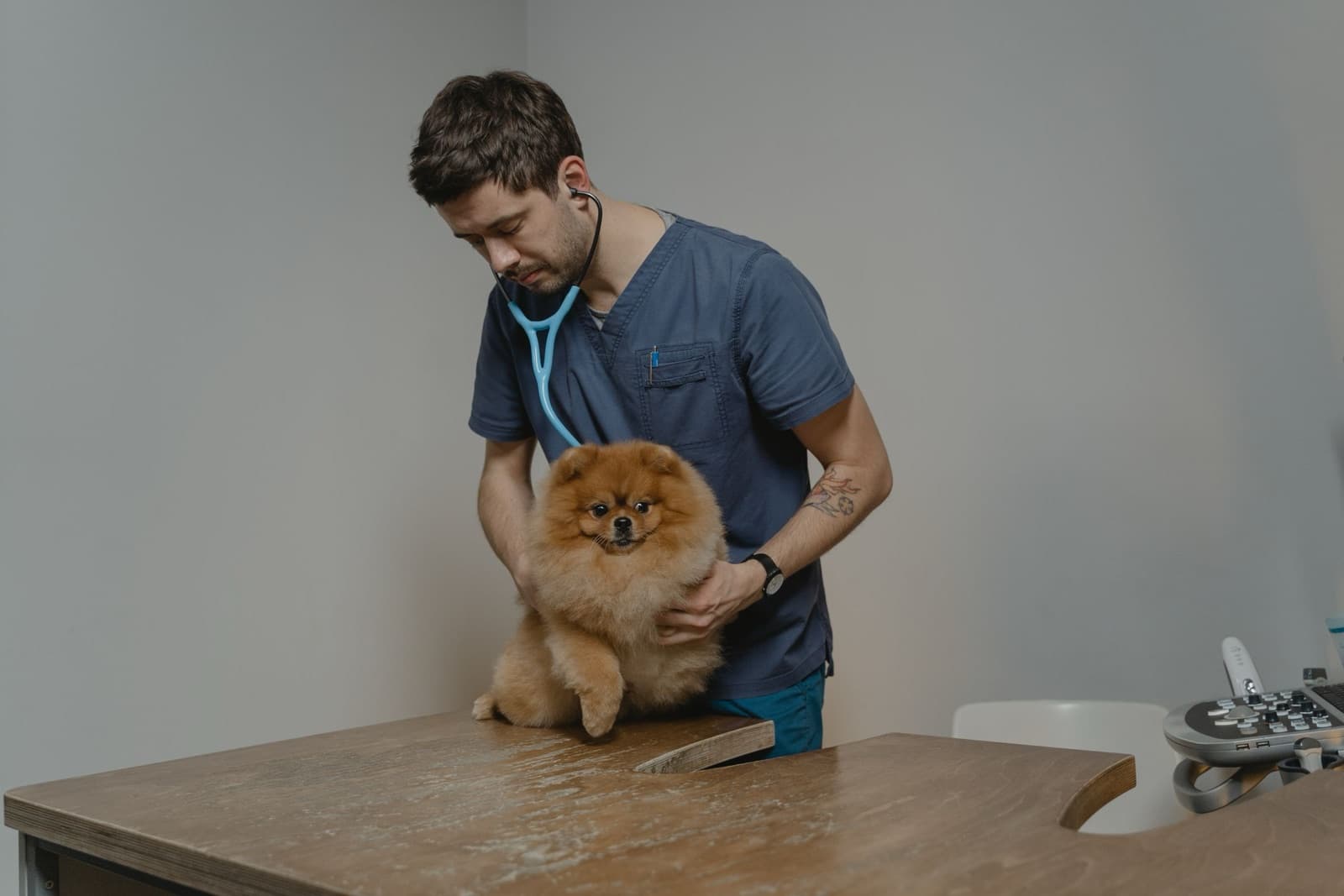
Contact a practice accepting new patients and ask how it handles a new kitten appointment. Ask which records to bring, how to transport the kitten and whom to contact after hours. Our guide to finding a veterinarian in Canada explains how to compare practices and check registration.
Use the appointment to ask about feeding, preventive care, handling and any concerns specific to the kitten. Get the plan in writing, including the next appointment if one is recommended. This article supplies no clinical schedule and cannot determine whether a symptom is safe to watch at home. Contact a veterinary service if you have a health concern.
Build a budget from local information
Separate one-time purchases from recurring supplies and veterinary spending. Use current local quotes and receipts; a generic national figure will not tell you what your household will pay. Our cat ownership budget guide provides a worksheet structure.
If comparing insurance, read the actual policy's exclusions, waiting periods, deductibles and payment process. A medical record does not by itself establish what every insurer will cover. Record unanswered questions for the insurer instead of assuming coverage.
Check your municipality's current licensing requirements through its official website. Record the date you checked and any deadline that applies to you. This guide does not assert a fee or age threshold for a particular city.
First-month planning checklist
- Collection and transport arranged
- Starting room and supplies prepared
- Household responsibilities agreed
- Available records copied; missing information listed
- Veterinary practice and after-hours contact recorded
- Individual care questions discussed with the clinic
- Microchip registry instructions checked, if applicable
- Municipal rules checked and recurring budget started
Use the list to find unfinished tasks, not to grade how quickly your kitten settles. Keep the care plan and the household plan together so another caregiver can follow the arrangements when needed.