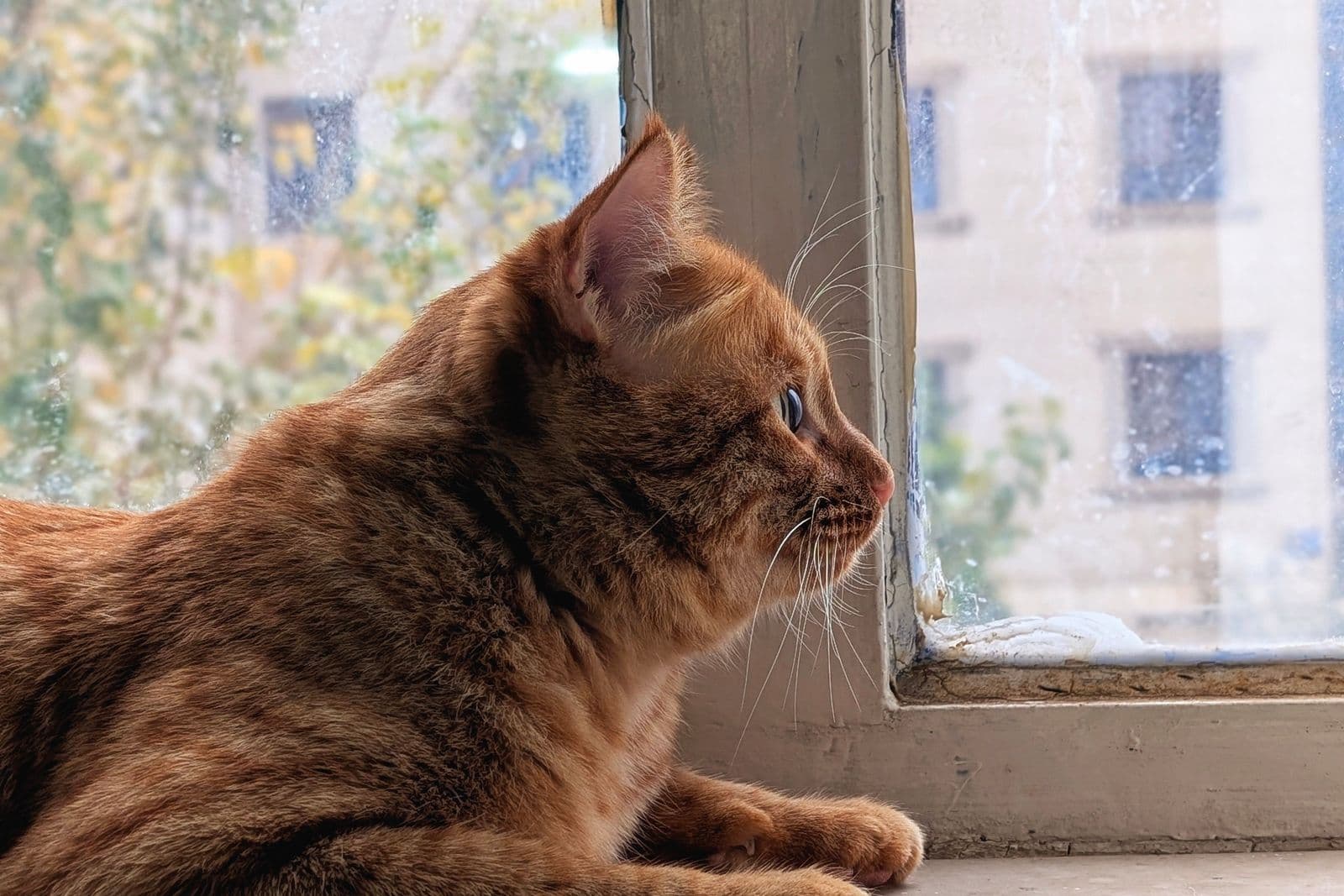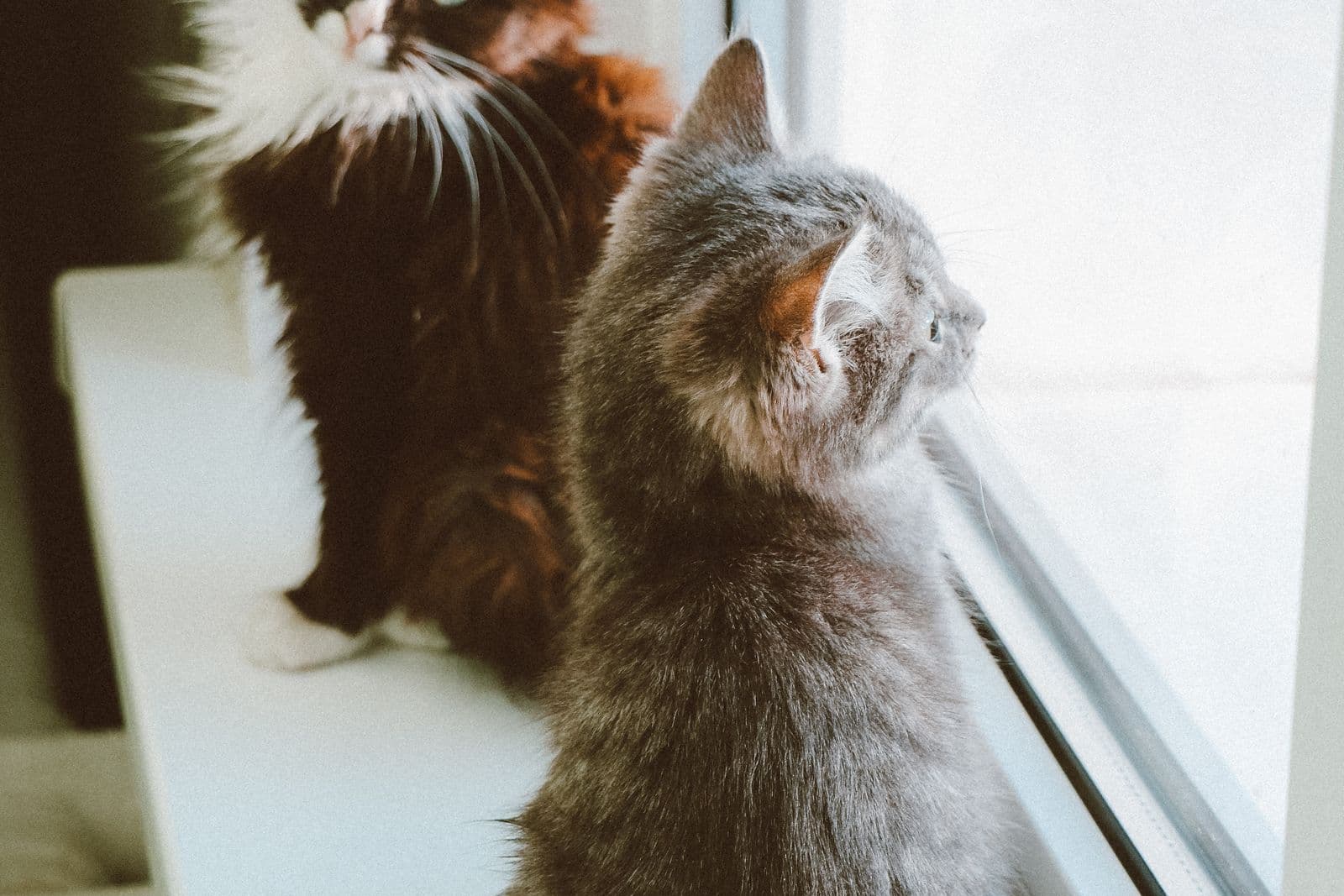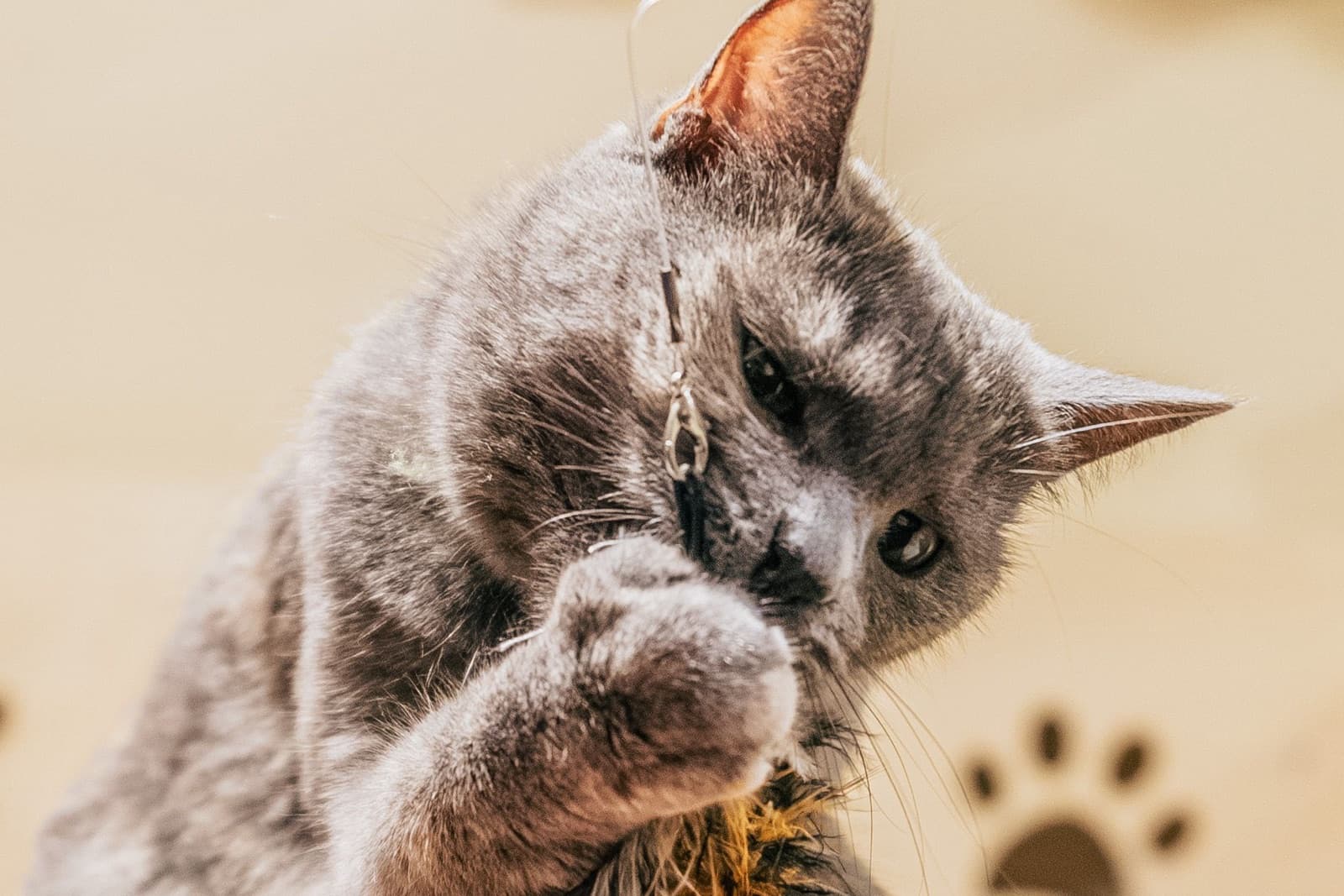
An indoor cat's surroundings should offer choices: places to rest, opportunities to play and scratch, and resources that can be reached without competing for one location. You do not need to buy every item sold as enrichment. Start by observing how your cat uses the home.
The Feline Veterinary Medical Association's 2025 statement points to the five pillars of a healthy feline environment: safe places, separated resources, play and predatory opportunities, positive social interaction and respect for sensory needs. Those are broader than a list of toys. This guide applies that framework to household setup without promising a medical or behavioural cure.
Give the cat somewhere to withdraw
Provide a stable, accessible hiding or resting place. A simple box or covered bed may be useful if its openings and location suit the animal. Do not force interaction or pull a resting cat out to demonstrate that it is using the new item.
Choose a place where it is unlikely to be repeatedly disturbed by visitors, appliances or another animal. In a small home, a quiet corner can matter more than buying a larger bed.
Offer height with a safe route
A perch or tree can add useful space, but check stability, installation requirements and the cat's ability to reach it. Follow the manufacturer's anchoring instructions and obtain landlord permission for alterations. A loose shelf above a walkway is not a safe enrichment project.
Do not assume every cat should jump to the same height. Ask the veterinary team about access needs if movement changes. Keep window and balcony access secure; a pleasant view does not justify an escape or fall risk.
Make play a shared activity
Offer supervised play suited to the individual animal. Let the cat choose to engage, and stop when it disengages. Inspect toys for loose parts and store strings or wand toys securely after use. Rotate a few suitable items rather than leaving everything on the floor indefinitely.
The BC SPCA's enrichment advice includes play, scratching, perches and gradual controlled outdoor options. It does not mean every cat needs the same timetable or product.
Put resources in usable locations
Keep food, water, resting places, scratching options and litter facilities accessible. In a multi-cat home, provide separated options so that one location is not the only route for every animal. The right arrangement depends on the home and animals; a numerical formula is not a guarantee that conflict will disappear.
Try stable scratching surfaces in different orientations and materials. Watch which are used and adjust their placement. Do not promise that one post will eliminate furniture scratching.
A food puzzle can be an activity, but keep it suitable and easy to start. Use food within the feeding plan agreed with the veterinary team rather than adding an unspecified amount of treats. Stop using an item the animal cannot manage comfortably.
Compare activities before buying
Try a safe hiding place and short shared play sessions first. If you decide to buy an enrichment item, choose an activity your cat already enjoys and a design you can clean and supervise. These two examples serve different purposes:
We may earn a commission from purchases through these links. As an Amazon Associate I earn from qualifying purchases. Our advertising policy.
Retailer-listed features, not a ranking. We have not tested these products.
Catit Senses 2.0 Digger
A food puzzle for a cat that enjoys reaching for dry food or treats.
- For dry food or treats
- Narrow and wide cups
- Removable cups for cleaning
Before you choose
Check cup access for your cat’s size. Supervise use and remove damaged parts. Follow the retailer’s hand-washing instructions.
Catit Senses 2.0 Wave Circuit
A track toy for a cat that enjoys batting a moving ball; it does not dispense food.
- Moving ball play
- Raised, enclosed track
- Openings for paw access
Before you choose
Allow floor space for the assembled track. Supervise use and remove damaged parts. Follow the retailer’s hand-washing instructions.
Compare the features side by side
| Example | Activity and design | Before choosing |
|---|---|---|
| Catit Senses 2.0 Digger | A food puzzle for a cat that enjoys reaching for dry food or treats. Removable narrow and wide cups on a base. | Check cup access for your cat’s size. Supervise use and remove damaged parts. Follow the retailer’s hand-washing instructions. |
| Catit Senses 2.0 Wave Circuit | A track toy for a cat that enjoys batting a moving ball; it does not dispense food. A raised, enclosed ball track with openings for play. | Allow floor space for the assembled track. Supervise use and remove damaged parts. Follow the retailer’s hand-washing instructions. |
Listings checked 2026-10-09. Check current price, stock, shipping and returns on the retailer’s site.
Review the setup regularly
Check worn surfaces, loose fittings and damaged toys. Reassess routes when furniture moves or a new animal arrives. Keep household changes manageable: moving every familiar item at once may not be what your cat needs.
A practical home review
- An accessible quiet place to rest or hide
- Secure perches with a usable route
- Suitable supervised play and safely stored toys
- Stable scratching choices where the cat spends time
- Resources in more than one accessible location when needed
- Secure windows, doors and balcony boundaries
- A plan for checking wear and changing unsuitable items
Enrichment does not diagnose a sudden change in appetite, movement, grooming or toileting. Ask your veterinarian about changes rather than treating a toy or supplement as the answer. No product in this guide has been tested or endorsed by ThePetClub.
For outdoor options, read indoor, outdoor and contained access. Include equipment and replacement costs in the cat budget, but use what the animal needs instead of a shopping checklist alone.
For a focused side-by-side view, see our Catit Digger vs Wave Circuit comparison. It compares listed features rather than ranking products or claiming hands-on testing.