Before bringing a second cat home, check whether you can provide space, separate supplies and a budget for both animals. An introduction guide cannot promise compatibility. The practical question here is whether your household can support an introduction and obtain help if it does not go as hoped.
Ask what is known before committing
Ask the adoption organization about the prospective cat's history with other animals and what information is uncertain. Discuss your resident cat's situation, the layout of your home and the time available for supervision. A description such as friendly is useful context, but it cannot establish compatibility in a different household.
Ask what support is available after adoption, how to contact it and what the organization's written adoption terms say. Make these conversations part of the decision, rather than discovering the arrangements after collection day.
Check whether separation is practical
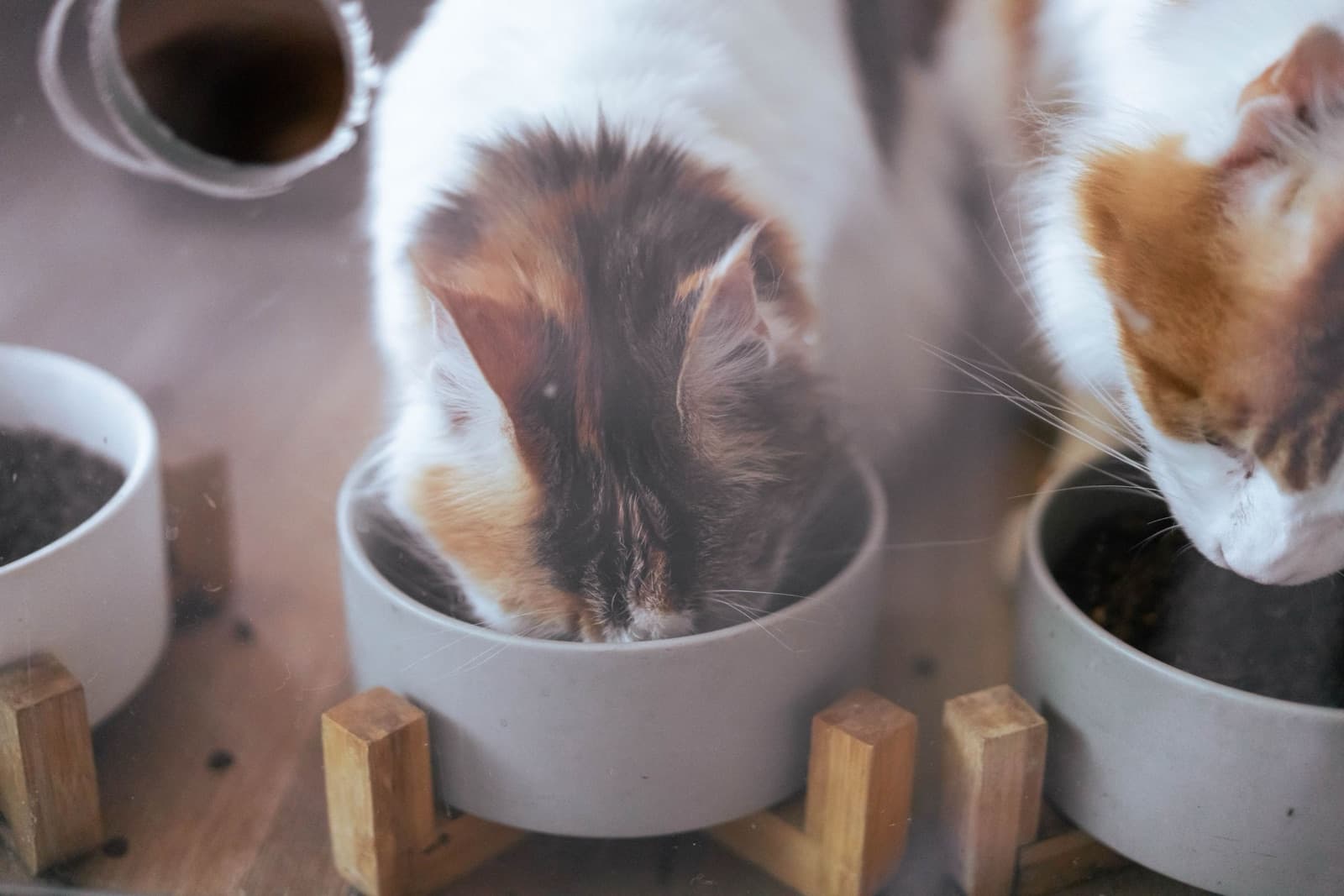
BC SPCA recommends a new cat's own room away from the resident cat's favourite place, with separate bowls, litter facilities, beds and hiding places. Its guidance describes gradual introductions and warns against forcing cats to act like companions.
Draw a simple floor plan. Mark where each animal's supplies could go while the cats are separated. Then check the practical details:
- Can the household keep the intended door or barrier closed?
- Can each space be reached for feeding, cleaning and care?
- Does the plan leave the resident cat access to its existing supplies?
- Who will manage doors when guests or contractors arrive?
- Where can spare supplies and the second carrier be stored?
If you cannot make the arrangement work, discuss that with the adoption organization before adopting. Buying a barrier is not proof that it fits your doorway or can contain your particular animals.
Build the second-cat budget
Some household purchases can be shared; others cannot. Write a separate recurring budget for each cat, using actual food, litter, veterinary and insurance information. Keep a line for unplanned costs rather than assuming one animal's unused budget will cover the other.
Our cat ownership budget guide separates startup, routine and unexpected expenses. Use it twice, then add any household-specific costs such as a second carrier, equipment for a separate room or paid care during travel.
If either animal has a prescribed diet or care plan, ask the clinic how to organize supplies. Do not substitute products or combine treatment plans to save money. Insurance eligibility and coverage must be checked with the insurer for each animal.
Use an official introduction resource
Read BC SPCA's cat-care guidance before collection, and discuss how it applies to your household. Keep the organization's advice accessible to every caregiver. This page deliberately does not compress an introduction into numbered days or tell you when a cat is ready for the next step.
If there is already a dog in the home, ask for advice addressing that dog and the proposed cat. A cat-to-cat resource does not establish a safe dog-to-cat plan. Tell the organization about the animals actually involved rather than treating all introductions alike.
Agree on the support plan
Record the contacts for the adoption organization, your regular veterinary practice and an after-hours veterinary service. Ask what observations they want if you need advice. Keep notes factual: what happened, when and which animal was involved, rather than assigning a diagnosis or a motive.
A product purchase cannot certify that an introduction is safe or resolve a medical concern. This guide recommends no pheromone product, medication or behaviour treatment. If health or safety concerns arise, obtain professional advice instead of using this checklist to decide urgency.
Plan ordinary care for two cats
Check how appointments and transport will work when two animals need care. Label records so vaccine information, prescriptions and insurance documents remain associated with the correct cat. For travel or an emergency absence, leave written caregiver instructions and tell the caregiver where each animal's supplies are kept.
For ideas about the household environment, see our indoor cat enrichment guide. Choose equipment against the space, supervision and individual needs you have discussed; more purchases do not guarantee a better relationship.
Before adding a second cat
- History and uncertainties discussed with the adoption organization
- Separate spaces mapped and practical access checked
- Supplies and a carrier available for each animal
- Recurring and unplanned costs budgeted
- Official introduction resource read and individual questions raised
- Support contacts and adoption arrangements recorded
- Responsibilities agreed with every household member
- Separate records and backup caregiver instructions prepared
If a part of this plan is missing, address it before collection. The goal is a household prepared to care for two individuals, with access to help, rather than a promise that they will share everything.