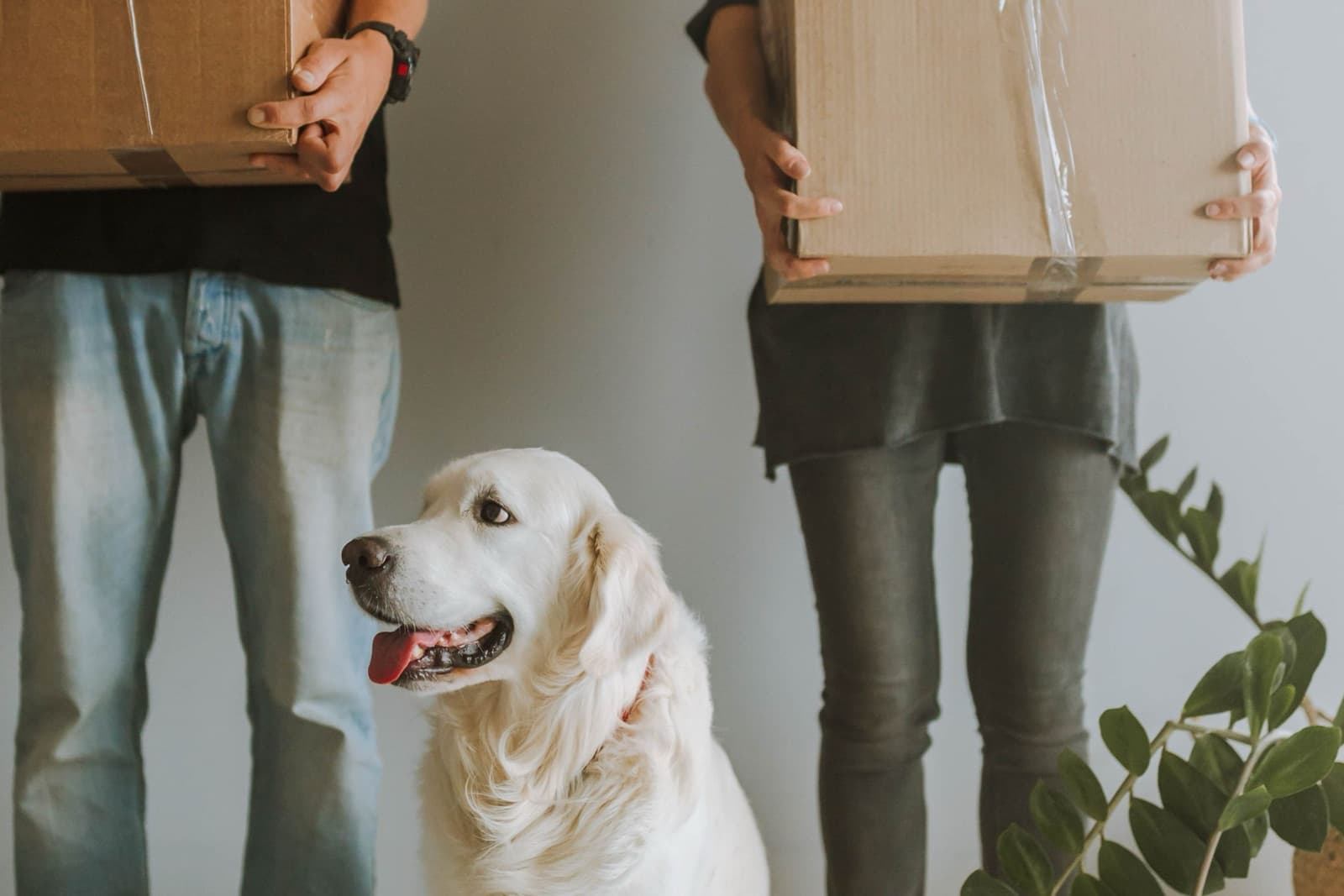
Moving with a pet is a set of local checks, not one Canadian rulebook. Housing, municipal licensing, travel arrangements and veterinary records all need attention. This guide is a practical moving checklist, not a legal or medical assessment of your destination.
Confirm the new home first
Ask for the lease and building's pet provisions before committing. Check species, number, size restrictions and any deposit. Rules can differ by province, and condominium or strata rules may require a separate check. Our rental guide gives a starting point and links to authorities.
Do not assume permission from a previous landlord travels with you. Keep the new permission and applicable rules in writing, and ask the destination tenancy authority about any dispute or accommodation requirement.
Check local obligations
Use the new municipality's official animal-services page to check licensing, tags, renewal dates, leash and at-large rules. Ask whether an existing registration is recognised rather than assuming it either transfers or cannot transfer. The licensing guide explains useful questions.
Ask your destination veterinary practice and the relevant government authority about vaccination and documentation requirements. This article does not provide a province-by-province vaccine schedule or claim that crossing a provincial border removes a legal obligation. Tell the clinic where the animal is travelling from and whether any international border will be crossed.
Transfer records and continuity of care
Ask your existing clinic how to request or transfer records, what consent it needs, and whether there is a charge. Include vaccination history, relevant test results and current prescriptions. Identify a clinic near the new home and ask whether it is accepting patients before you need an appointment.
Discuss medication supply and the handover with your prescribing veterinarian. Do not change doses or use another animal's prescription because of the move. Save the new clinic's after-hours instructions; our veterinarian selection guide has questions to ask.
Update contact information
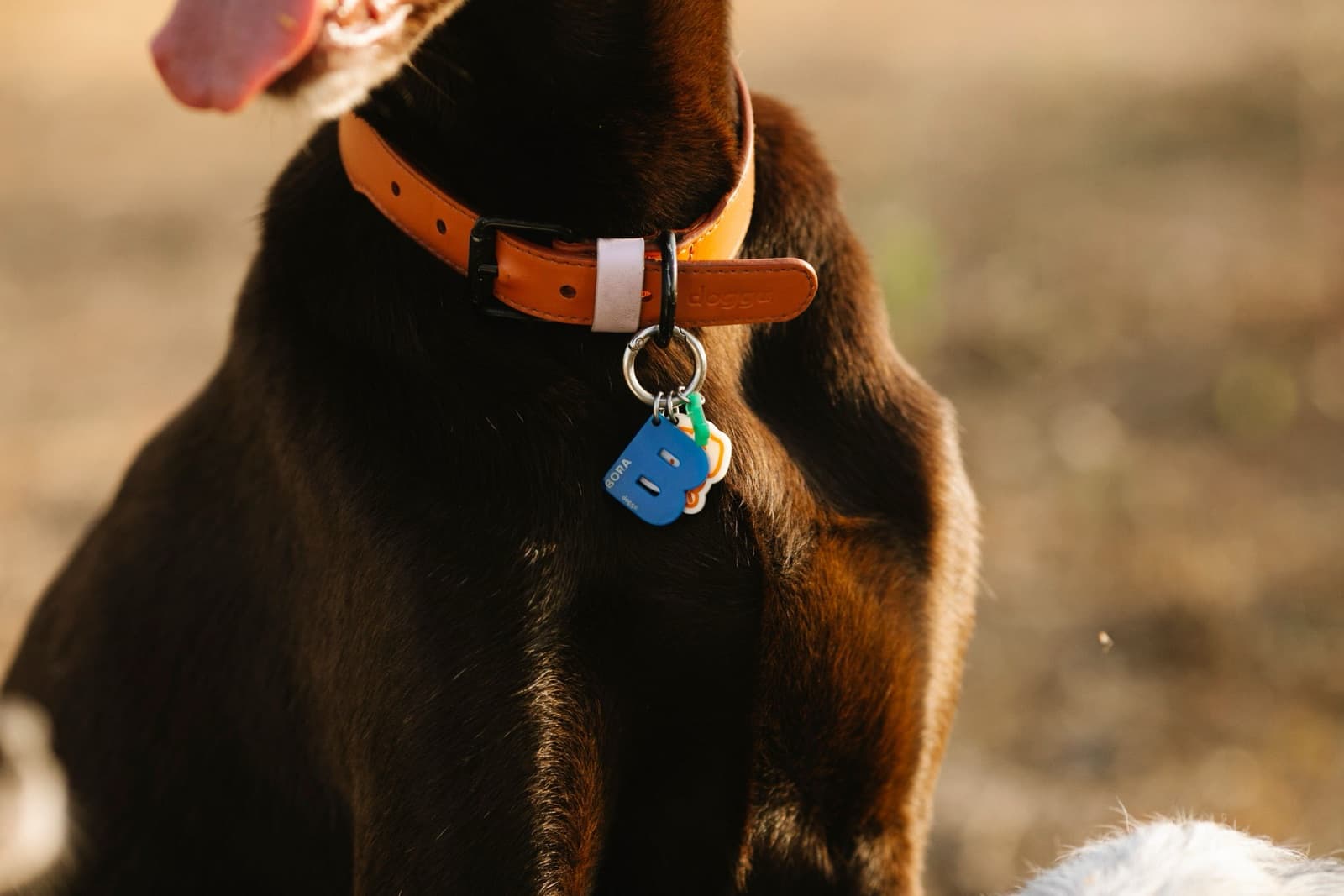
Contact the microchip registry or distributor to update your address and telephone details and ask whether a second contact can be recorded. A chip is identification read by a scanner, not a tracker. Update visible tags and municipal records through their own processes.
Keep current photos and registry information accessible during the journey. If an animal goes missing, contact local services and search promptly.
Organise moving day
Choose who is responsible for the animals while doors are open and belongings are carried. A secure room with a clear door notice, or suitable care elsewhere, can help keep that responsibility clear. Check that everyone working in the home knows the arrangement.
At the destination, prepare an accessible, secure space with familiar equipment. Do not impose a fixed settling timetable on every animal. Ask the shelter or veterinary team for advice if your pet is distressed or its behaviour changes.
Before departure and after arrival
- Confirm housing permission and building rules in writing
- Check the destination municipality's current requirements
- Ask about vaccination or documentation requirements for the actual route
- Arrange record transfer and identify a new clinic
- Discuss prescription continuity with the current veterinarian
- Update identification contacts and pack current photographs
- Assign responsibility for the animals on moving day
- Recheck licence, tag and clinic arrangements after arrival
For the journey itself, use the Canadian pet travel guide to confirm accommodation, transport and carrier requirements. Keep a contingency for delays rather than planning every supply to run out on arrival day.