Almost every other rule about owning an animal in this country is provincial. Tenancy is provincial. Rabies vaccination is provincial. Who is allowed to call themselves a veterinarian is provincial.
Licensing is not. Licensing is municipal, which means it is decided by your city or town and by nobody else — and the differences between two Canadian cities are larger than most owners realise. Whether your cat needs a licence at all, at what age, what the licence includes, and what it costs are four separate questions with four locally-set answers.
This is what actually varies, and why the answer your friend gave you is probably right about their city and wrong about yours.
Five cities, five different answers
| City | What its own rules say |
|---|---|
| Toronto | Dogs and cats must both be licensed and wear a tag, renewed annually. Failure to license is a ticketable offence. |
| Ottawa | Cats and dogs must both be registered, renewed every year, with a numbered metal tag worn on the collar or harness. The same bylaw separately requires dogs and cats three months and over to be currently immunised against rabies. |
| Calgary | Cats and dogs three months and older require a City licence, indoor cats included. The Responsible Pet Ownership Bylaw also requires cats to be kept on the owner's property. |
| Edmonton | All cats and dogs over 6 months of age, indoor pets included, must be licensed, renewed every 12 months, under the renewed Animal Care and Control Bylaw in effect since 19 May 2026. Reduced fees are offered for spayed and neutered animals, and the fine for no valid licence is $250. |
| Vancouver | Dogs three months and older require a licence under Animal Control By-law No. 9150, renewed annually. We are not presenting a position on cats here: the bylaw is a dog-licensing instrument and we could not verify a cat requirement either way, so ask Vancouver Animal Services rather than assuming the answer matches a neighbouring city. |
Read down that table and the pattern is not that some cities are stricter. It is that the shape of the rule differs: the species covered, the age at which the obligation starts — three months in three of these cities and six in another — and what you get in return.
The four things that vary
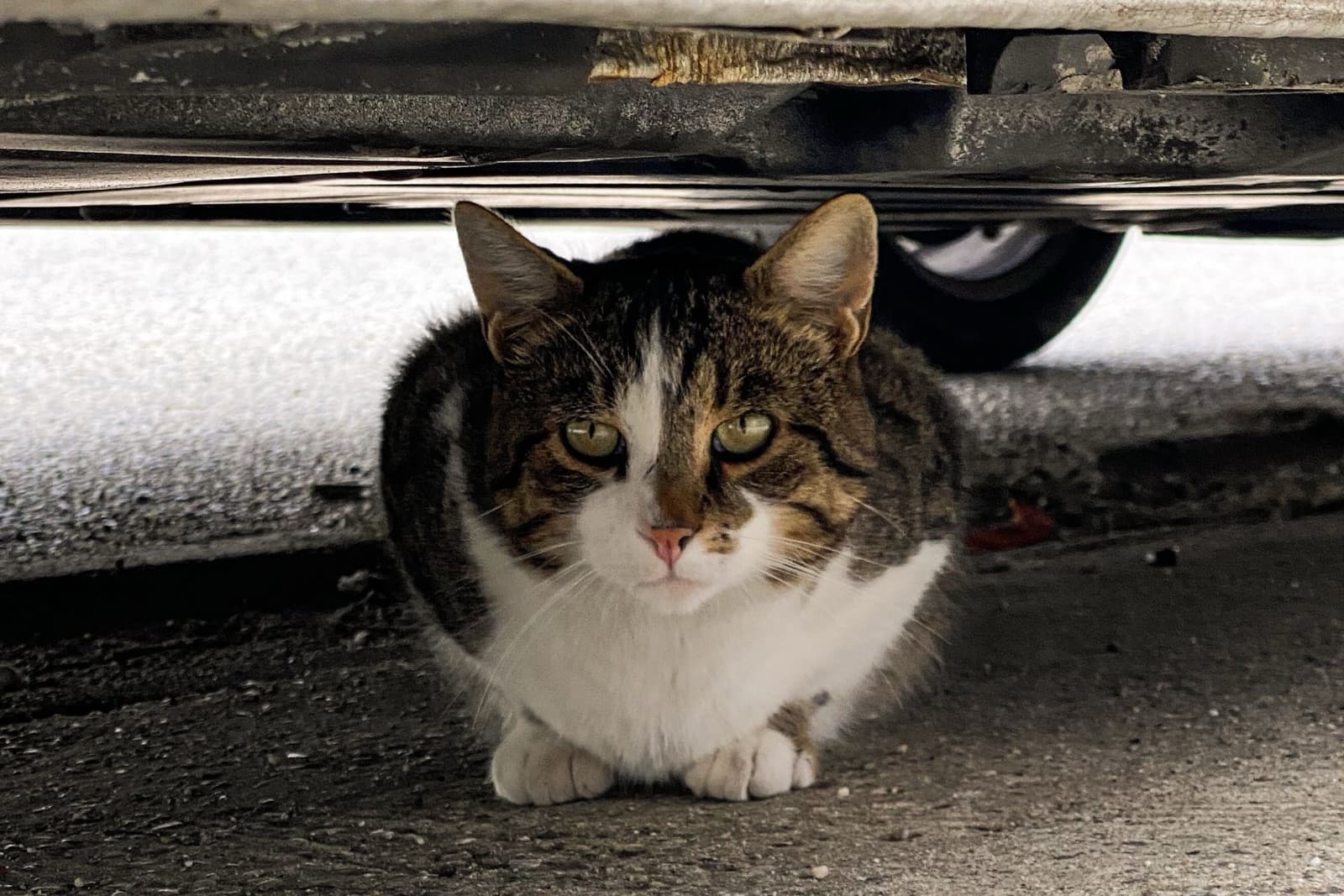
Which species. The assumption that licensing is a dog thing is the most common and the most expensive mistake, because it is usually made by cat owners who never find out otherwise. Toronto, Ottawa, Calgary and Edmonton all license cats. Plenty of municipalities do not. Yours is a question with a definite answer on one specific web page.
Whether indoor animals are exempt. Generally, no. Calgary and Edmonton both explicitly include indoor cats, and the logic is straightforward once you see it — the licence exists to get a lost animal home, and an indoor cat that gets out is precisely the animal least equipped to find its own way back.
The age threshold. Three months in Calgary, Ottawa and Vancouver; six months in Edmonton. This matters most for anyone who has just acquired a young animal and assumes there is a grace period measured in years.
What is bundled. Several cities issue a numbered tag that functions as a second traceable identifier alongside a chip, and some run a separate microchip programme beside the licence — Edmonton does. Read the two as different things: a tag comes off, a chip needs a scanner, and a licence is neither. And reduced fees for spayed or neutered animals are common enough to be worth checking before you assume the sticker price.
Why it is worth doing beyond avoiding a fine
The enforcement argument is real — these are ticketable offences and the fines are not trivial — but it is the least interesting reason.
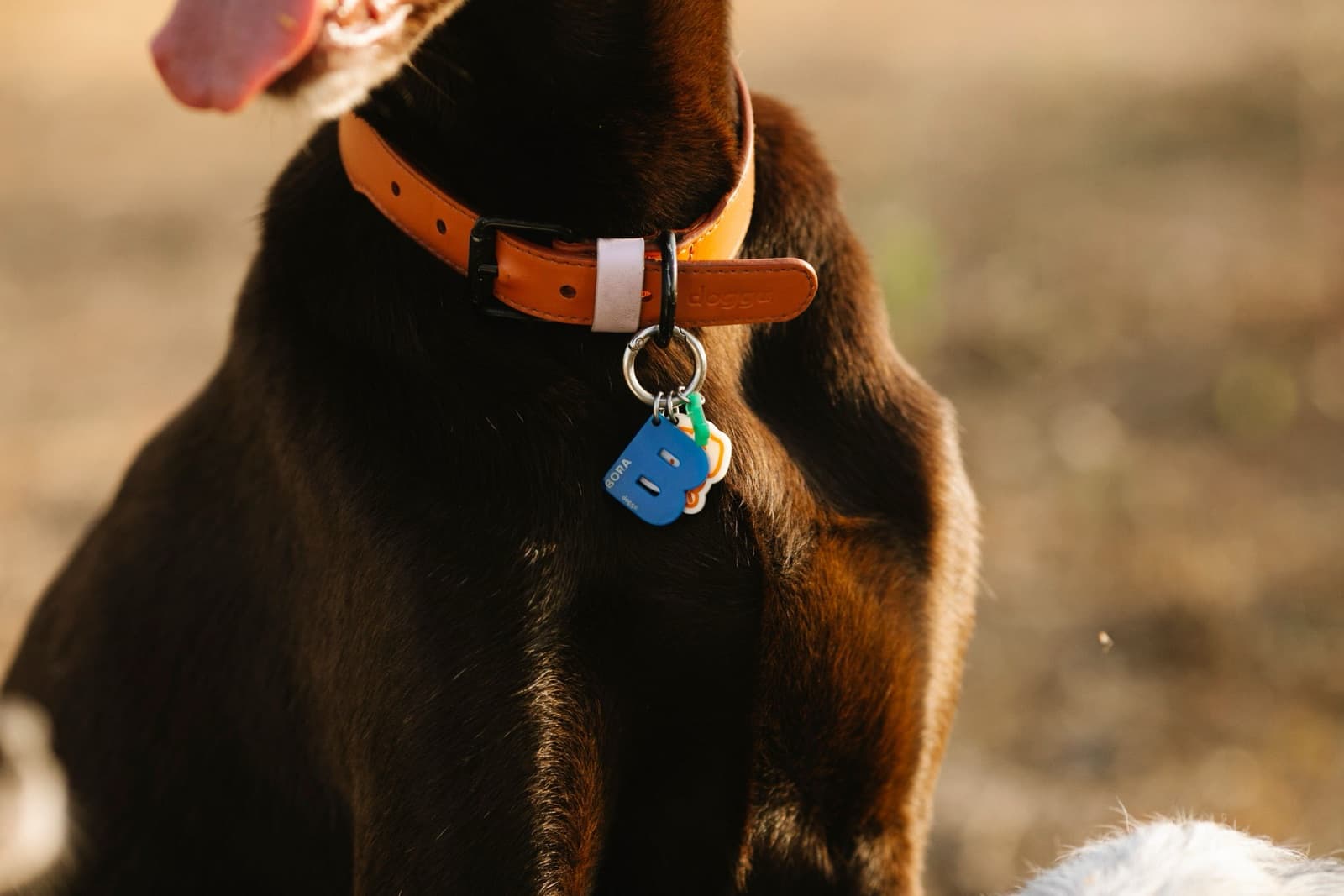
A licence tag is a visible identifier that requires no equipment to read. A microchip needs somebody to catch the animal, take it somewhere with a scanner, and have that scanner detect that chip — and the Canadian Veterinary Medical Association is explicit that not all scanners read all chips, because several RFID frequencies are in use. A tag on a collar needs a neighbour with a phone.
That is why the guide to a missing pet treats the licence tag as one of three independent layers of identification rather than as paperwork. The layers exist because each of them fails differently.
Municipal licensing also means the city holds a record connecting a description to a household, which is what makes a lost report matchable at the other end.
The spay and neuter differential
Where a municipality offers a lower fee for an altered animal — and it is common — the saving is annual and recurs for the animal's whole life.
Toronto publishes its own figures, and they show the scale of the spay/neuter differential. As listed on the City of Toronto pet licensing fee page in September 2026, an annual licence costs $25.00 for a spayed or neutered dog against $60.00 for one that is not, and $15.00 against $50.00 for cats. Owners aged 65 and over get half off, and households with income under $50,000 may have fees subsidised or waived. These are Toronto’s numbers on that date, not a Canadian price: every city sets its own, and Toronto resets these periodically.
Those are Toronto's fees and nobody else's — every municipality sets its own, and this is an illustration of how large the differential can be rather than a figure to budget against anywhere else. But run the unaltered dog rate out over a fifteen-year life and the gap is not a token. It is one of two Canadian costs that the spaying and neutering guide argues most owners never put into the calculation.
Worth noting what this is not: an argument for the timing of the procedure. When to spay or neuter is a veterinary decision that now depends heavily on projected adult size, and a licence discount is not a reason to do it earlier than your veterinarian recommends.
Licensing is not the rabies rule, except where it is
These two get conflated constantly, and they are separate obligations from separate levels of government.
Rabies vaccination requirements are provincial. Ontario requires cats, dogs and ferrets “three months of age or over” to be immunized (R.R.O. 1990, Reg. 567, s. 1); British Columbia recommends vaccination, and we do not assert a province-wide legal requirement there. That divergence is set out in the puppy and kitten vaccination guides.
Licensing is municipal, and separate — but a municipality can attach its own requirement on top. Ottawa's animal bylaw independently requires dogs and cats three months and over to be currently immunised against rabies, which means an Ottawa owner is meeting a provincial obligation and a municipal one at the same time, from the same appointment.
The practical consequence: satisfying one does not automatically satisfy the other, and the vaccination certificate is often what the licence application asks for.
What a licence does not do
Four things it is routinely assumed to cover and does not.
It is not a substitute for a microchip. They are different layers that fail in different ways — a tag can come off a collar, and a chip needs somebody with a working scanner. Keep both, and keep the chip's registration current, which is a separate action from renewing a licence.
It is not permission from your landlord or your condominium. A city licence says the municipality knows the animal exists. It says nothing about whether you are contractually allowed to keep it where you live, which is a provincial tenancy question and a condominium declaration question, and the stricter of the two wins. The renting guide sets out how differently that lands in Ontario, British Columbia and Quebec.
Do not assume it travels. Licensing is municipal, so the city you move to runs its own system with its own requirements, fees and renewal dates. We have not checked whether any Canadian municipality will recognise another’s licence, and we are not claiming none does — the practical point is that you check the new municipality rather than assume, including across a boundary you might not think of as a move.
It is not proof of vaccination, except where a municipality has separately made vaccination a condition — as Ottawa has. Two obligations, sometimes satisfied with the same certificate, but not the same obligation.
When you move
This is the step that gets missed in a move, because it is nobody's job to tell you.
Moving to a new municipality
- Check the new city's animal bylaw before you assume the rules travel with you — species covered, age threshold, and whether indoor cats are included
- Check licensing in the new municipality rather than assuming an existing licence carries over
- Update the microchip registry with the new address and phone number, which is a separate action from licensing
- Update the tag on the collar if it carries an address
- Check any limit on the number of animals per household, which some municipalities set
- Check leash, at-large and off-leash-area rules, which are also municipal and also differ
- If you are renting, confirm the pet position under your new province's tenancy law — it is not the same in every province
Moving between provinces changes two layers at once — the municipal rules and, potentially, the provincial rabies position — which is worth an hour before the move rather than a discovery afterwards. The full sequence is here.
Where to actually look
The authoritative source is your own municipality's animal bylaw or licensing page, and nothing else. Not a forum, not a national article, and not this one — what is written here about five cities is accurate to those five cities and tells you only that the answer varies.
Search your city's name with "animal bylaw" or "pet licence". If you are outside a city, the county, regional municipality or district will have the equivalent, and rural municipalities frequently have quite different rules again.
The short version
Licensing is municipal and the variation is real: Toronto, Ottawa, Calgary and Edmonton license cats as well as dogs, Edmonton's threshold is six months where others use three, Edmonton bundles a microchip, and indoor cats are generally not exempt.
Do not conflate it with the rabies requirement, which is provincial — although Ottawa layers its own on top, so both apply.
And treat the tag as identification rather than bureaucracy. It is the one layer that works without a scanner, a clinic, or anybody knowing what a microchip is.