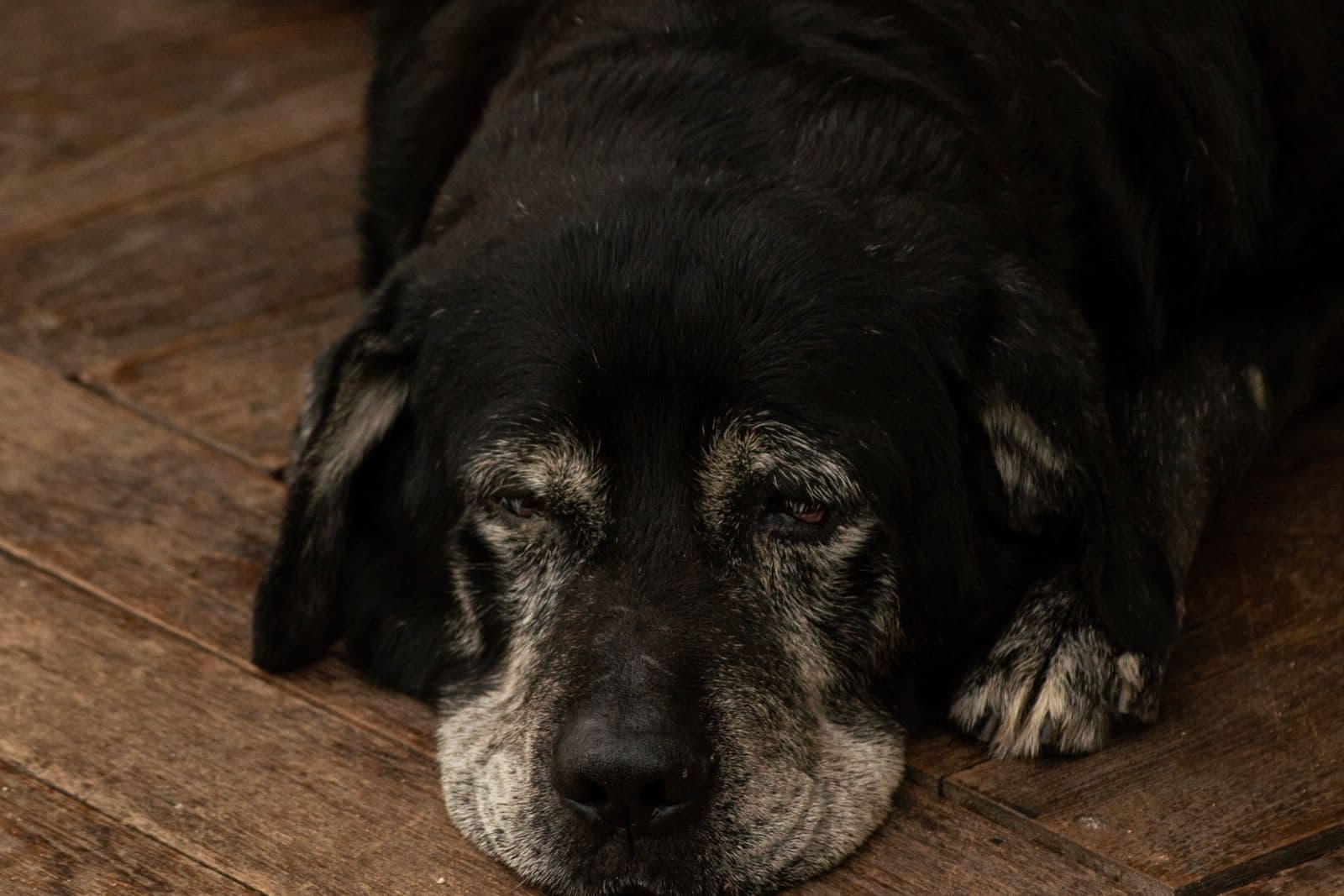
Dental disease is the most common thing wrong with the animal on your sofa, and the least likely to be noticed.
By three years of age, most dogs and cats have some degree of periodontal disease — and it usually goes unnoticed by owners, because animals do not stop eating when their mouths hurt. They adapt. They chew on the other side, they swallow things whole, they get quieter. Untreated it causes ongoing pain, infection and inflammation, and it takes real quality of life away from an animal that has no way of telling you.
Both of our cost guides name dental work as the largest planned expense of the middle years. This is what you are actually planning for.
Why it is invisible
An animal in chronic oral pain does not behave like an animal in acute pain. There is no yelping. What there is instead, if you know to look:
- Bad breath, which owners often accept as normal and which is not
- Chewing on one side, dropping food, or eating more slowly
- A cat that goes off dry food, or one that approaches the bowl and hesitates
- Pawing at the mouth, head shyness, or turning away when the muzzle is touched
- Drooling, sometimes with blood in it
- Visible tartar, receding gums, a red line along the gumline, or a loose tooth
- A dog that has simply become less interested in chew toys
The most common owner report after a dental procedure is not that the mouth looks better. It is that the animal has become noticeably brighter — which tells you what it had been living with.
What a professional dental actually is
This is where expectations and reality diverge most, so it is worth being precise. A veterinary dental procedure is not a cleaning in the human sense. It is a diagnostic and surgical procedure performed under general anaesthetic, and the anaesthetic is not a convenience.
Under anaesthesia the team can take intraoral radiographs, and this is the part that matters most: the majority of the tooth is below the gumline, and the disease that causes pain and tooth loss happens there, invisible from above. An animal whose mouth looks reasonable on the outside can have significant disease underneath. They can probe each tooth for pocketing, clean below the gumline where the disease actually lives, and extract what cannot be saved — with pain relief, and with the airway protected so nothing is inhaled.
| Element | What it requires and why |
|---|---|
| Intraoral radiographs | Requires anaesthesia. Most of each tooth is below the gumline, and so is most of the disease. Without images, a diagnosis is a guess about the part nobody can see. |
| Probing each tooth | Requires anaesthesia. Measuring pocket depth around every tooth on a conscious animal is neither possible nor kind. |
| Cleaning below the gumline | Requires anaesthesia. This is where periodontal disease is. Removing visible tartar from the crown alone is cosmetic and does not treat the disease. |
| Extractions and pain control | Requires anaesthesia. A painful tooth cannot be treated in a conscious animal, and untreated it stays painful. |
| Airway protection | An anaesthetised patient is intubated, so water, debris and bacteria are not inhaled. This is a safety function, not a formality. |
| Scaling visible tartar only | What a non-anaesthetic procedure can do. It changes how the teeth look and does not address what is under the gum. |
Anaesthesia-free dentistry: the straight answer
It is offered, it is cheaper, and it is marketed at exactly the owner who is nervous about anaesthesia — which is a reasonable thing to be nervous about.
The American Animal Hospital Association does not recommend it. Its stated position is that the practice can be physically and mentally harmful to the animal and does not allow effective treatment of dental disease. The specific objections are worth knowing rather than paraphrasing: without general anaesthesia an accurate diagnosis cannot be made, the patient's pain cannot be addressed, the airway cannot be protected from aspiration, and the disease cannot be appropriately treated. Removing the calculus you can see, on its own, is described as purely cosmetic.
The risks named alongside that are missed diagnoses, aspiration, chronic pain from disease that was never treated, the inability to probe or radiograph at all, and behavioural harm from being manually restrained for a procedure the animal does not understand.
None of that means anaesthesia carries no risk. It means the comparison being offered — a safe cleaning versus a risky one — is not the comparison that is actually on the table. The real one is a diagnostic procedure versus a cosmetic one.
If anaesthesia is what worries you, that is a conversation to have properly, not a reason to choose a procedure that cannot treat the problem. Ask about pre-anaesthetic bloodwork, what monitoring is used, who is watching the animal and with what equipment, and what is done differently for an older patient or one with a heart murmur. A practice that answers those well is what you were looking for in the first place — the guide to choosing one covers what else to ask.
Home care, ranked honestly
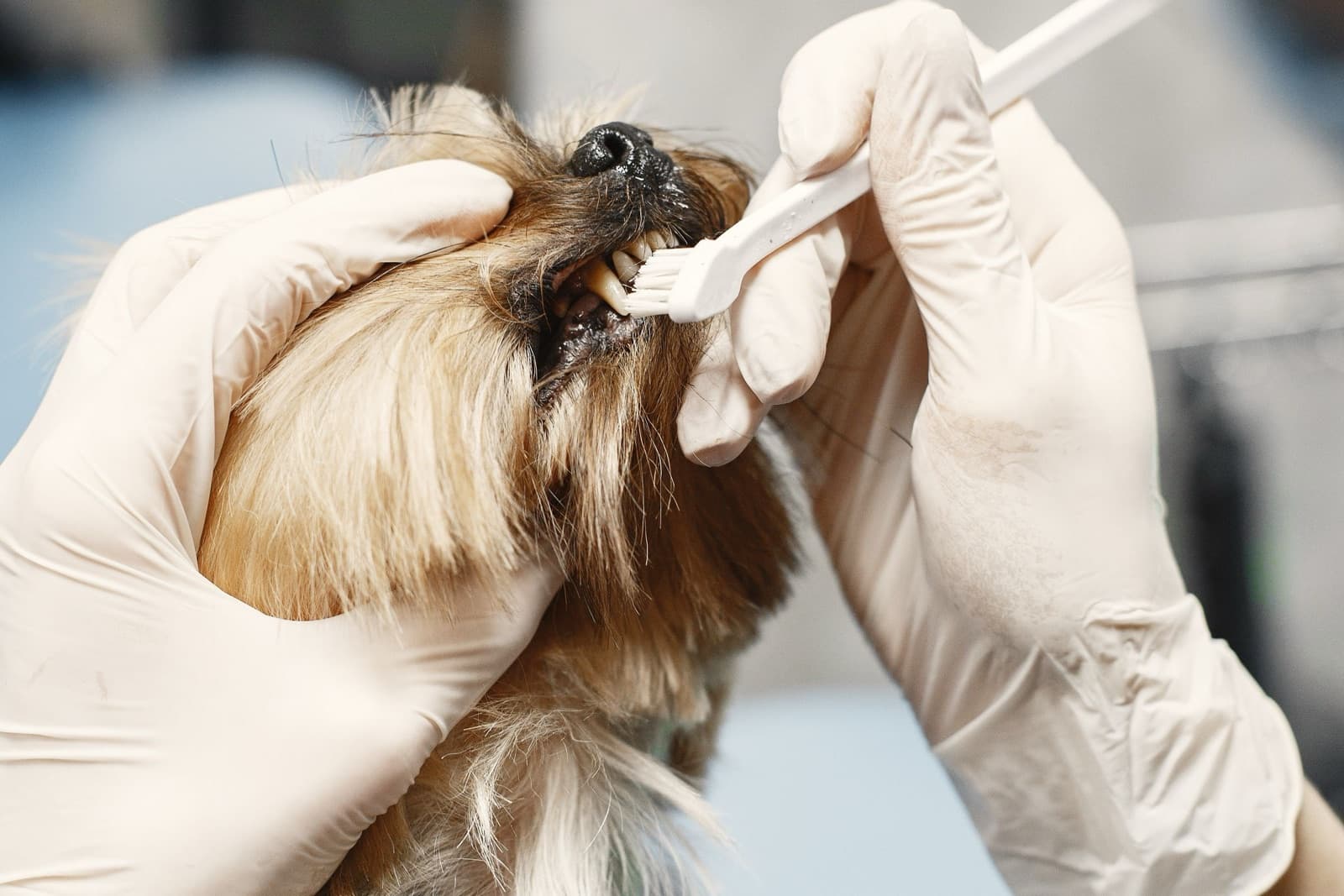
Brushing is the one that works. Daily is the standard, several times a week is meaningfully better than nothing, and the technique matters less than the frequency. Use a toothpaste made for animals — human toothpaste is not safe for them — and build up over weeks rather than days: let them lick the paste, then touch a finger to the gumline, then a brush on a few teeth, then more. A cat or dog that had its mouth handled gently as a puppy or kitten makes this dramatically easier, which is why both of those guides push daily handling practice.
Dental diets, chews, water additives and gels vary enormously in whether they do anything. Ask your clinic which products they consider to have evidence behind them, rather than choosing from a shelf. Treat them as a supplement to brushing, not a replacement for it.
Hard chews are a real risk. Fractured teeth in dogs frequently come from things marketed as dental products — bones, antlers, hard nylon. A useful rule of thumb: if you would not want it hitting your own knee, it is too hard for a dog's tooth.
What the day actually looks like
Knowing the shape of it removes most of the anxiety, and makes the consent conversation easier.
The animal is usually admitted in the morning, having been fasted according to instructions the clinic gives you — follow those exactly, including about water, and say so if the fast did not go to plan rather than hoping it will not matter. There is an examination and often bloodwork before anything is given.
Under anaesthetic the mouth is charted tooth by tooth, radiographed, cleaned above and below the gumline, and polished. Then the findings drive the rest: some animals need nothing further, some need extractions, and this is the point at which the plan can legitimately change — which is why you want a phone number they can reach you on and a clear answer to "what will you do if you find more than expected?"
Home the same day, usually. Expect grogginess, a reduced appetite that evening, and instructions about soft food for a period if teeth came out. Give the pain relief you were sent home with on the schedule you were given rather than only when the animal looks uncomfortable — animals are poor at showing oral pain, which is the theme of this entire article.
The money, and the insurance trap
Dental is where a lot of pet insurance policies get complicated, and it is worth reading before you need it. Policies commonly treat accidental damage to a tooth, dental disease, and routine cleaning as three separate things with three different answers, and the section is often the most involved in the document. The insurance guide covers how to read it.
Budget for it as an irregular but foreseeable cost rather than an emergency, alongside the rest of the middle-years spending in the dog and cat cost guides — and what a dental estimate is actually made of is worth reading before you compare two of them. And ask for a written estimate that says what happens if extractions turn out to be needed — because the radiographs are taken on the day, and the plan can legitimately change once somebody can finally see what is going on.
Worth asking before a dental procedure
- Will intraoral radiographs be taken, and are they included in the estimate?
- What pre-anaesthetic assessment do you do, and would you do anything differently given this animal's age or health?
- How is the patient monitored during the procedure, and by whom?
- What happens if you find teeth that need extracting — how does the estimate change, and will you call me?
- What pain relief goes home with us?
- What should the recovery look like, and what would be a reason to call you?
- Which home-care products do you actually consider effective for this animal?
- How often would you want to see this animal's mouth from here?
The short version
Most dogs and cats have periodontal disease by three, almost none of them show it, and the animal that seems fine is often simply coping. The disease is under the gumline, which is why radiographs and probing under anaesthetic are the procedure rather than an upsell.
Anaesthesia-free cleaning changes how teeth look and does not treat what is wrong; AAHA does not recommend it. If anaesthesia is the worry, interrogate the anaesthesia — that is a fair and answerable question.
Then brush. It is unglamorous, it is free, and it is the only home-care measure that reliably does anything.