You cannot confirm that a cat is pregnant from her nipples, belly or behaviour alone. These changes can be clues, but a veterinarian needs to assess her and choose a test suited to the possible mating dates. A cat can be pregnant before obvious changes appear; an unwell cat needs care even if pregnancy seems likely.
Which signs might suggest cat pregnancy?
The PDSA's veterinary pregnancy guide describes changes such as more noticeable nipples, weight gain and later nesting. None is a reliable yes-or-no test:
- Nipples becoming pinker or larger: this can be an early clue, but normal appearance varies. A nipple photograph cannot confirm pregnancy or tell you how many kittens there are.
- An increasing appetite or weight gain: these may develop as pregnancy progresses, but weight change has other explanations.
- A rounder abdomen: this tends to be more noticeable later. Do not assume a swollen belly is kittens, and do not press it to check.
- Seeking a quiet place or nesting: behaviour can change near the end of pregnancy, but nesting alone does not establish that a litter is coming.
Early pregnancy may have few visible signs. Conversely, vomiting, not eating or unusual tiredness should not simply be labelled “morning sickness.” Tell a veterinarian about them rather than waiting for a belly to grow.
How a veterinarian confirms pregnancy
When booking, give the clinic every possible mating or escape date, even if you are unsure whether mating happened. The appointment timing matters: a test done too early can miss a pregnancy.
Examination and ultrasound: usually a few weeks in
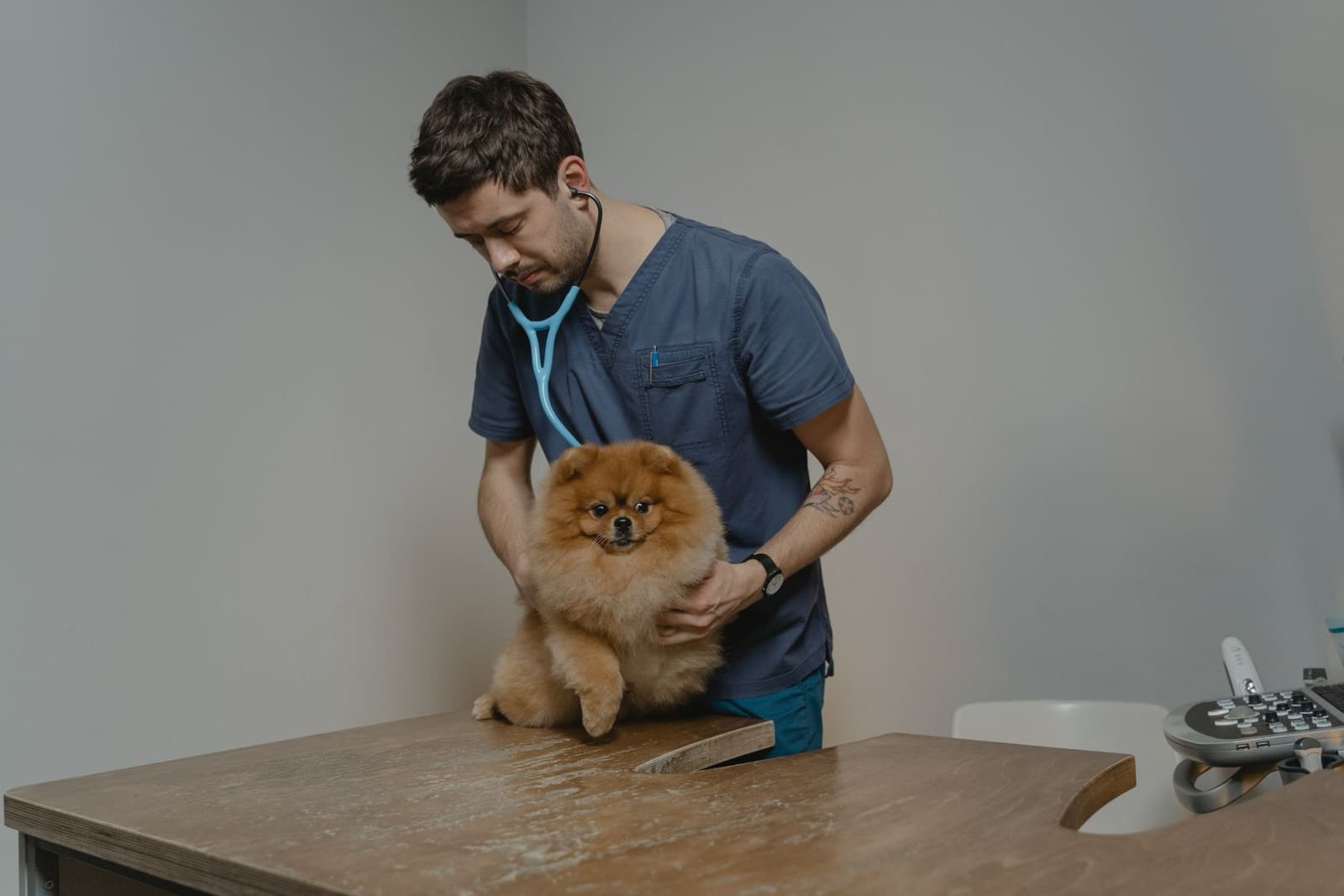
The Merck Veterinary Manual's cat reproduction guide describes veterinary diagnosis around 21–30 days. Your vet may examine the abdomen and recommend ultrasound. Abdominal palpation is a veterinary examination technique, not something to try at home.
Ultrasound can help confirm pregnancy and assess heart activity at the time of the scan. It is not a dependable way to promise an exact kitten count. Merck's diagnostic guidance notes that very early scans can be falsely negative; the vet may recommend repeating one rather than treating an early negative as the final answer.
Blood tests: cats can have veterinary relaxin testing
It is not correct to say that no blood test exists for pregnant cats. Texas A&M's veterinary diagnostic laboratory lists a relaxin test for both cats and dogs. For cats, it lists detection as early as day 25 of pregnancy and greater reliability after day 31.
Those are laboratory testing windows, not a promise that every Canadian clinic offers the test or that an uncertain mating date is an exact pregnancy date. Ask your veterinarian whether testing is available, whether it would be useful and how to interpret a negative result. A test result does not guarantee a healthy litter.
X-rays: a later question, usually about kitten numbers
X-rays are not an early pregnancy screen. They become useful once fetal skeletons are visible; the cat-specific Merck guide describes later imaging, more than 55 days after breeding, for estimating kitten numbers. The vet decides whether imaging is needed and when. Do not choose a date yourself from an online calendar.
Pregnant, gaining weight or having a false pregnancy?
There is no reliable “pregnant belly versus fat belly” visual trick. A physical examination and, when appropriate, diagnostic testing distinguish pregnancy from other causes of body changes.
Cats can also have a false pregnancy, although this is uncommon. Merck's guide to female-cat reproductive disorders explains that hormonal changes can cause pregnancy-like mammary and behavioural changes without a litter. Do not diagnose false pregnancy yourself simply because a cat has not been seen mating.
What to do while waiting for the appointment
Bring useful information, not a home diagnosis
- Write down possible mating dates, time outdoors, last observed heat and whether she has been spayed.
- Record when changes began, her appetite, drinking, activity and any discharge. A short factual note is more useful than repeatedly checking her belly.
- Keep her safely indoors and away from intact males while you get advice.
- Bring the names of her food, medicines, parasite treatments and supplements. Ask what is safe if she is pregnant; do not start new products or stop prescribed treatment without veterinary advice.
- If mating was accidental or the pregnancy would be unwanted, say so when you call. You do not need to wait for physical signs before discussing options with a vet.
For Canadian clinic-finding and registration checks, use our guide to finding a veterinarian. Ask the clinic for an itemised estimate covering the examination and any recommended tests; there is no single national pregnancy-test price.
Everyday care after pregnancy is confirmed
Food and water: ask for a pregnancy feeding plan
A pregnant cat needs a diet appropriate for pregnancy and nursing, not just extra treats. Merck's feeding guidance explains that cats' energy needs increase during pregnancy, unlike the later increase typical in dogs. Ask your veterinary team which complete, balanced food suits her—often a kitten growth diet—and how to adjust it as her body condition changes. Smaller, frequent meals can help later in pregnancy; keep fresh water available. Do not add calcium or vitamins to a balanced diet unless the veterinarian directs it.
A calm space and a practical plan
Prepare a quiet, warm nesting area where she can settle and you can observe without crowding her. VCA's feline pregnancy guide describes planning a suitable place before birth. Ask the clinic how to adapt her usual activity, which parasite products or medicines are appropriate, and what follow-up is needed. Do not stop prescribed treatment without advice.
Write down who will call the clinic, how you will transport her and which hospital accepts emergencies after hours. Ask for individual instructions about labour and nursing rather than relying on a general timetable. If she appears to strain without progress, a kitten seems stuck, or she becomes distressed or unwell, call urgently; do not pull on a kitten or try to induce labour yourself.
When planning future care, discuss cat spay timing with the veterinarian. A current or possible pregnancy needs its own discussion, not a routine booking based on age alone.
When not to wait for a pregnancy test
One important alternative is pyometra, a serious uterine infection. The American College of Veterinary Surgeons explains that it affects cats as well as dogs and may occur without visible discharge when the cervix is closed. A lack of discharge does not make a sick, unspayed cat safe to watch at home.
Save your clinic's after-hours instructions and the contact details of the nearest emergency veterinary hospital. Our emergency-vet guide explains what to prepare for an urgent visit. If pregnancy is confirmed, ask for an individual birth and emergency plan; this article is not a guide to assisting delivery.
Common questions
How long are cats pregnant?
Roughly nine weeks. VCA describes an average of about 63–65 days. Unknown or multiple mating dates make a precise due date difficult to calculate; your vet can estimate the stage and advise when to call. Do not use the end of a range as a reason to delay care for an unwell cat.
Can I use a human pregnancy test on my cat?
No. A human urine pregnancy test is not a valid way to confirm or rule out cat pregnancy. Veterinary tests use different methods; Merck describes relaxin testing for dogs and cats. Ask the clinic which test fits her situation rather than interpreting a human test result.
What if I do not know when she mated?
Tell the vet that the dates are unknown. Examination and imaging may help estimate the stage, and a repeat visit may be needed if the first result is inconclusive. Do not postpone calling until visible signs appear.
Does a small belly mean she is not pregnant?
No. Appearance alone cannot rule pregnancy in or out. The useful next step is veterinary assessment, not a symptom score or comparison photograph.