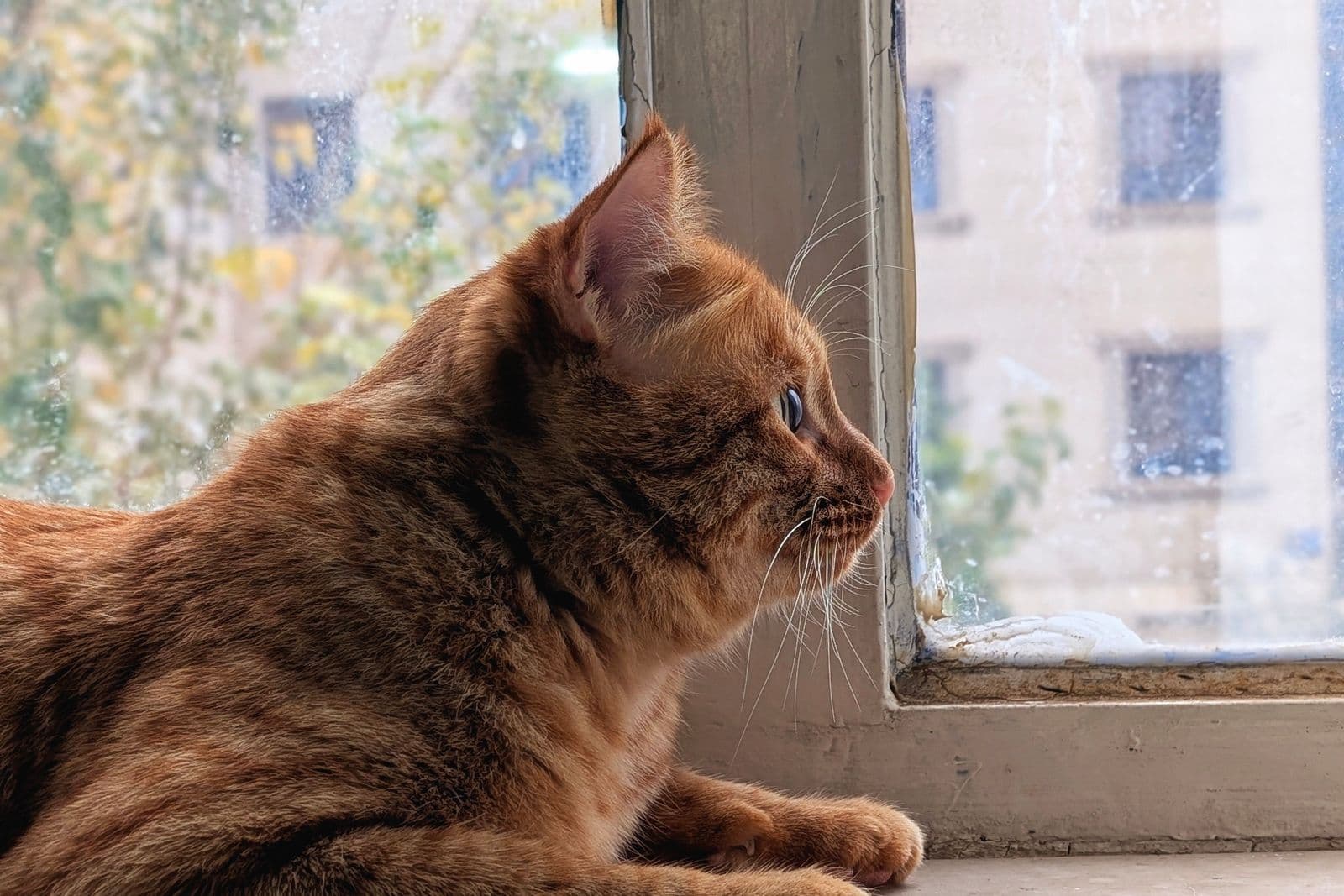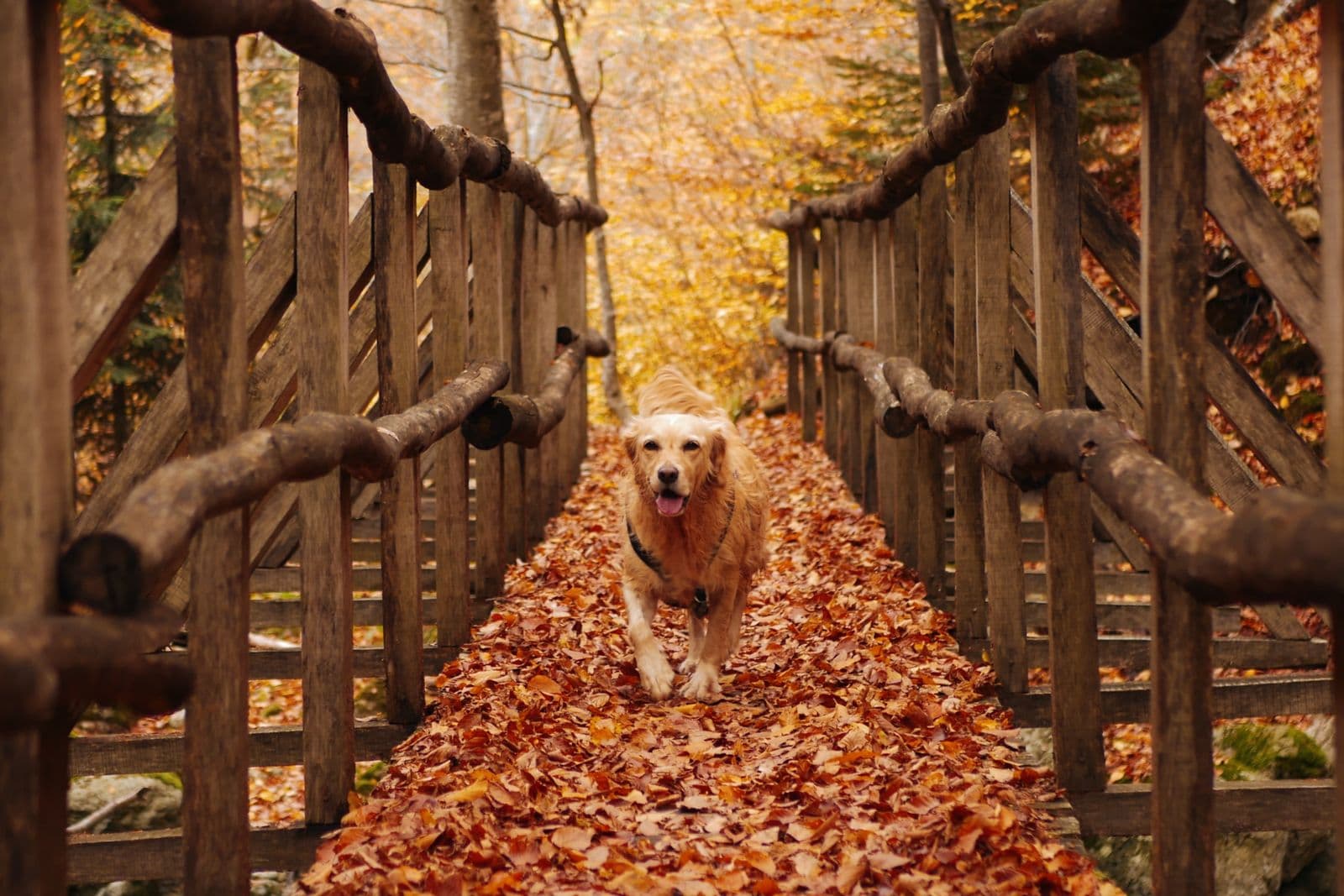
A cedar dog house gives a dog a sheltered place to rest during time outdoors. A catio gives a cat an enclosed area to climb, perch and watch the yard, with a way back inside. Start with what your pet needs from the space, then choose a footprint, roof and access that work at your home.
How to choose a cedar dog house for Canadian weather
Size the inside around your dog
Measure your dog standing and lying in their usual resting position. Ask for the usable interior dimensions and clear doorway opening on the drawing. The dog needs to enter easily, stand upright, turn around and lie down comfortably. Check how much room insulation and bedding take up before approving the design. If your dog has trouble stepping up, discuss a low entry with the builder.
Walk the site after it rains
Look for puddles and see which direction the wind drives rain. A raised floor helps separate the resting surface from wet ground. A roof overhang and a sheltered entrance can keep more rain out. Place the house so water running off the roof drains away from the entrance. If the spot gets afternoon sun, check where the shade moves and how air can circulate.
Ask whether the floor can be wiped down and how you will reach the back corners. A lift-up roof or an accessible panel makes it easier to remove damp bedding and inspect the interior. If you want insulation, ask how it will be enclosed so your dog cannot chew it.
Keep indoor space available when conditions are too hot, cold or wet for your dog. The Canadian Veterinary Medical Association kennel code offers useful design principles for dry floors, comfortable movement and protection from weather. For everyday decisions about walks, paws and cold exposure, see our winter dog care guide.
Cat house or catio: which suits your cat?
If the goal is a place to nap and hide, start with an indoor hideaway or a quiet perch. If the goal is protected access to fresh air, choose an enclosed catio with space to move around. The BC SPCA's cat welfare guidance recommends an enriched indoor environment and describes controlled outdoor access as a way to add enrichment while reducing outdoor risks.
For a patio or balcony catio, check the door, roof line and every edge where the enclosure meets the building. Ask the builder how the mesh, door latch and access tunnel will be secured, and how you will get inside for cleaning. Plan for shade, a dry resting area and a route indoors. Low shelves and a ramp can make more of the space usable for a cat that avoids big jumps. With multiple cats, provide more than one resting spot and a way for each cat to move past the others. Check any landlord or strata requirements before committing to the installation. See our guide to indoor and outdoor access for cats.
Where to order a custom cedar dog house or catio in Greater Vancouver
Coastline Cedar is an independent business. The Pet Club knows its owners personally.
Coastline Cedar builds to order in North Vancouver, British Columbia, using premium, locally sourced Western red cedar. The team works from your pet's measurements, the available space and the site's exposure. Roof, hardware, finish, delivery and installation details are confirmed for each quote.
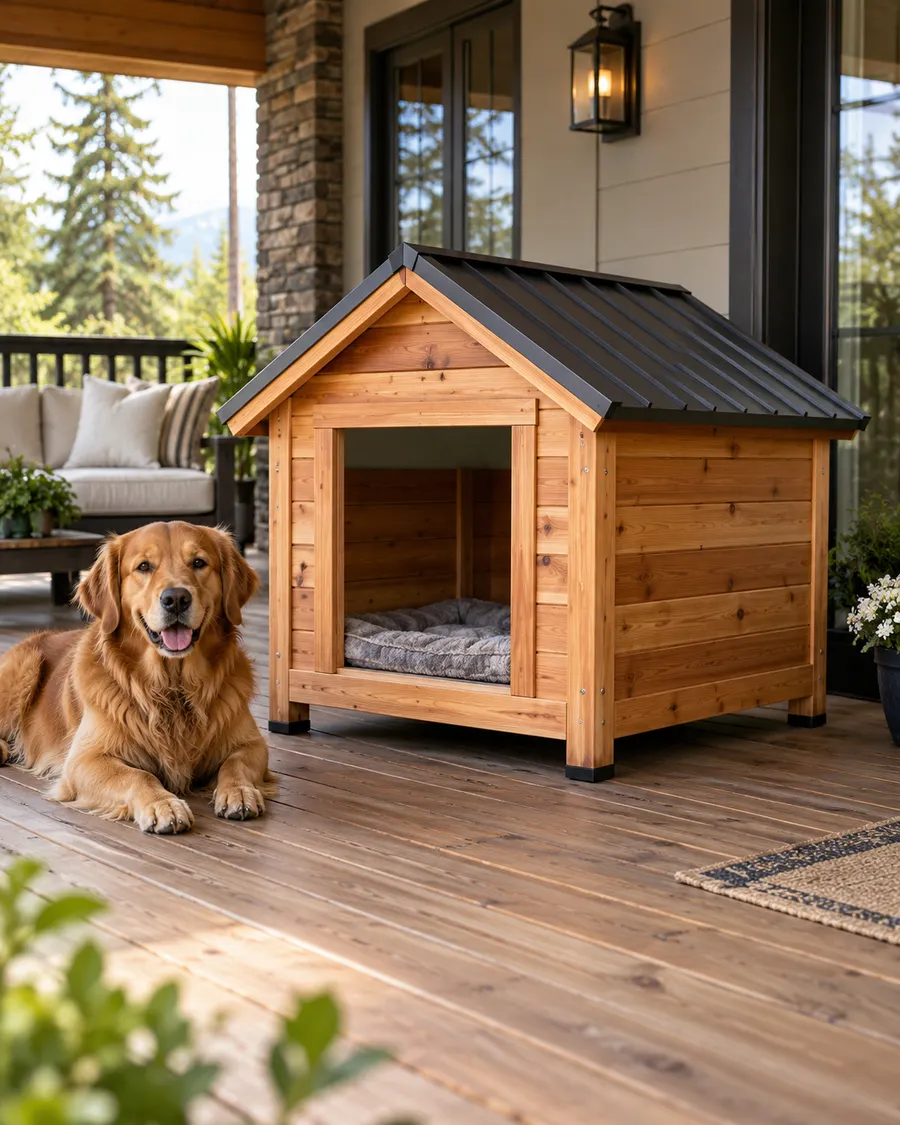
For a dog house, ask about a raised floor, roof coverage, an accessible cleaning panel and optional insulation. Explore Coastline Cedar's custom cedar dog houses.
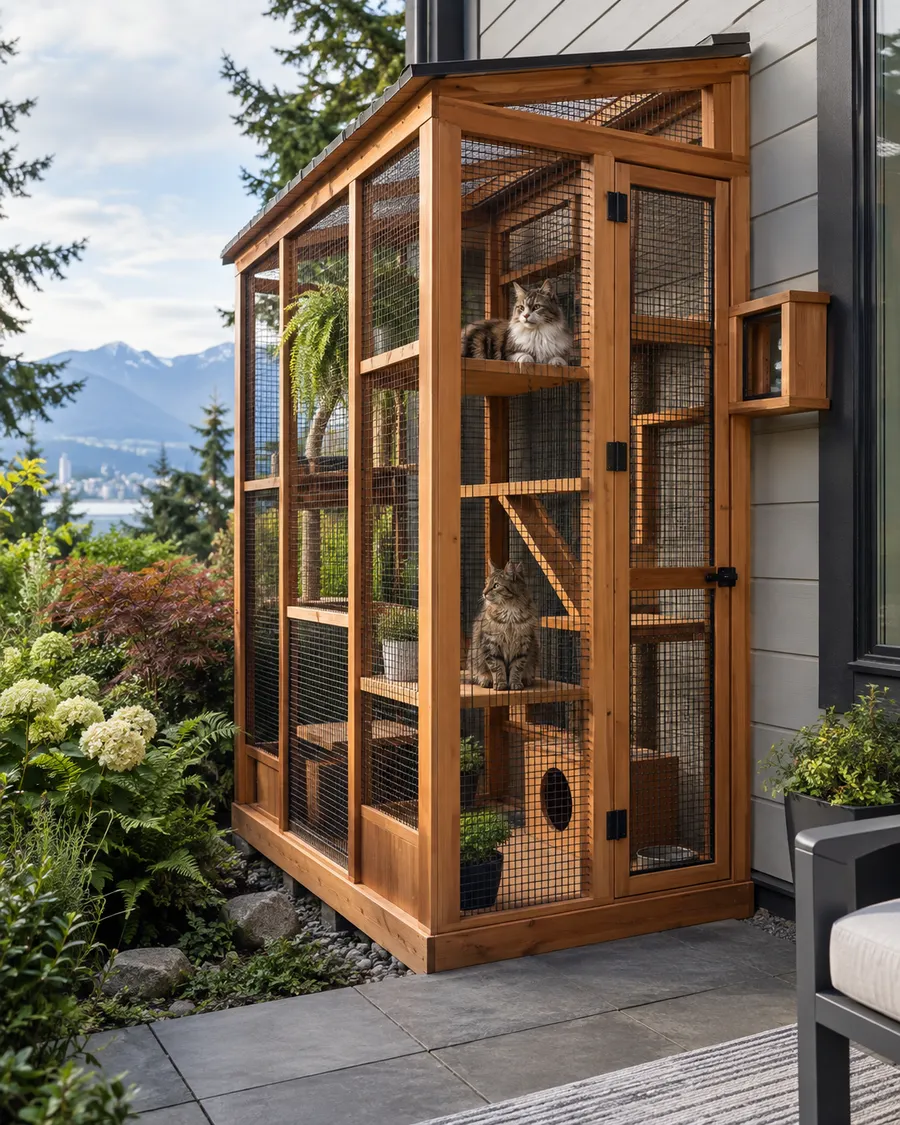
For a catio, discuss the footprint, mesh, climbing shelves, ramps and a possible window or door connection. Explore Coastline Cedar's custom cedar catios.
When you request a quote, send the available width, depth and height, photos from a few angles, a note on how the builder can reach the site, and your pet's size and mobility needs. Mention whether the spot is covered or exposed. Ask for the drawing and quote to identify exactly which roof, floor, access and installation details are included.